
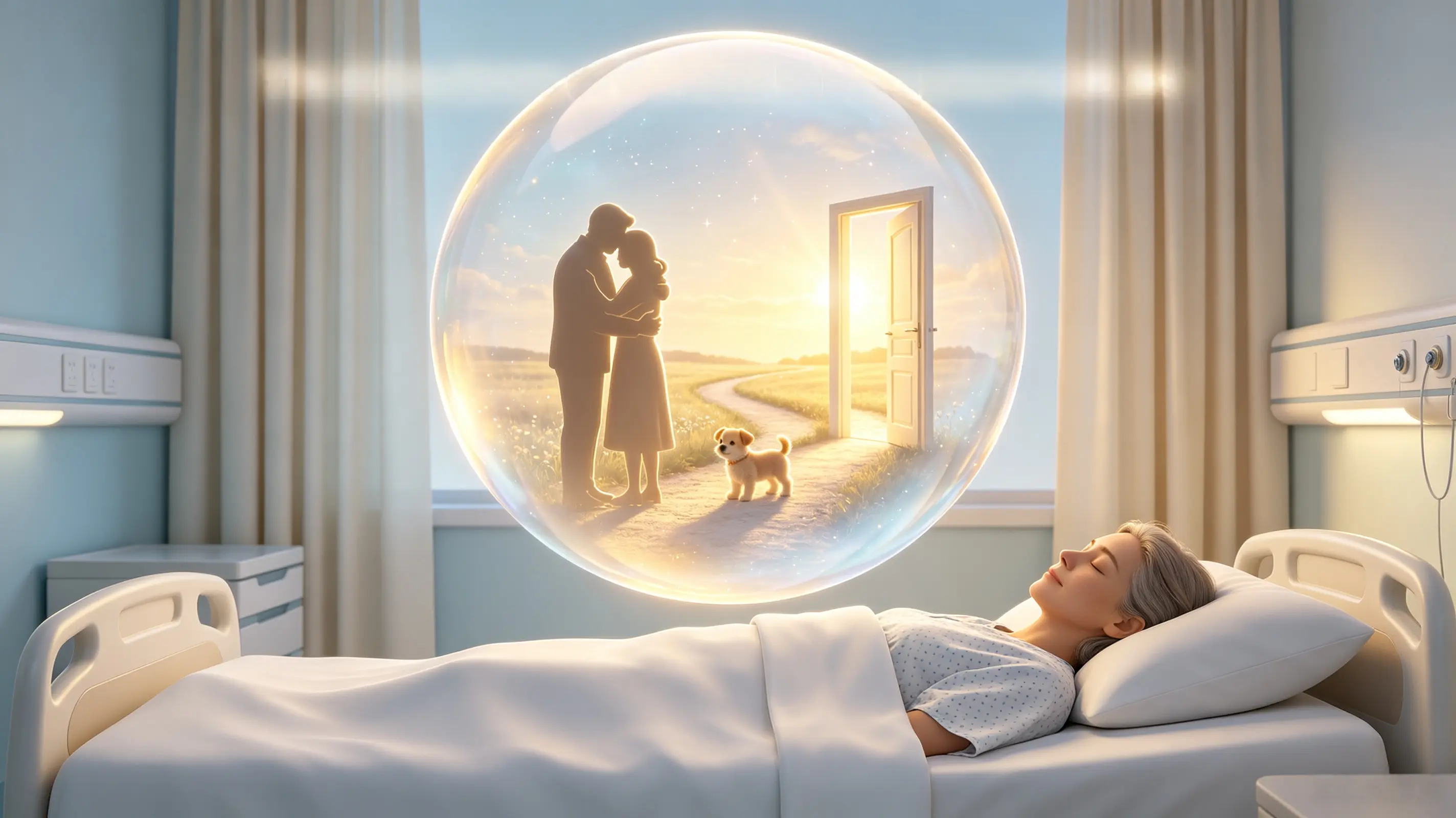
The dying dream of the dead to be at peace with life
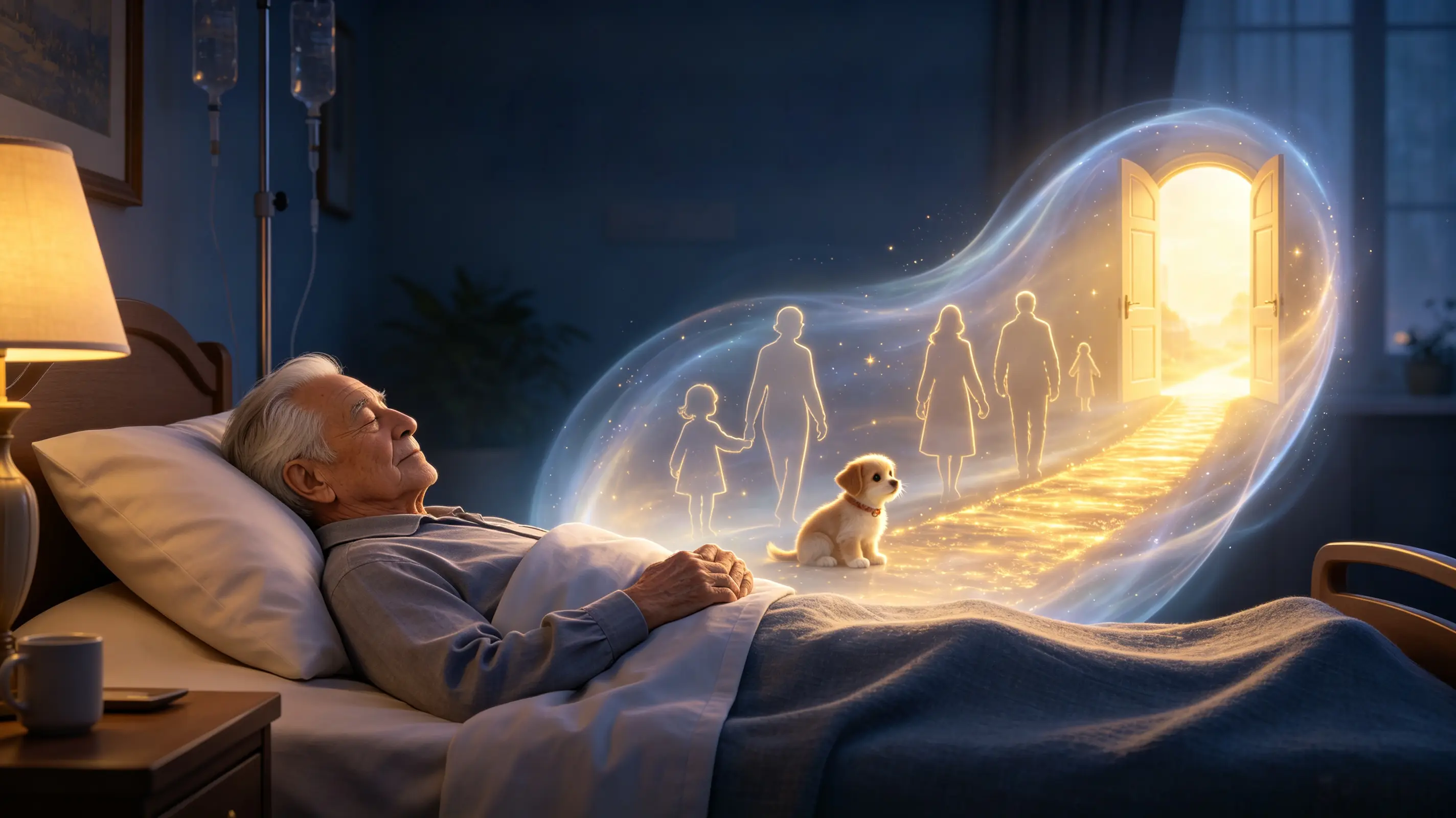
As death slowly draws near, countless terminally ill people experience vivid dreams and visions. Most often, they encounter deceased family members, reconcile with past regrets, and find inner calm before passing away. American hospice physician and neurobiologist Christopher Kerr has spent more than 25 years documenting these profound end-of-life experiences, and his research reveals how final dreams help human beings make peace with their own lives.
It all began with a moment that stuck with Dr. Christopher Kerr forever back in 2005. He was caring for a terminally ill elderly woman named Mary at a hospice ward in New York State. Day after day, Mary would gently cradle her arms, rock back and forth, and whisper soft lullabies, exactly as if she were holding an infant in her embrace.
When Kerr asked her what she was seeing, Mary told him she was holding her baby daughter, who had died shortly after birth more than 60 years earlier. For six decades, this mother had carried the grief of losing her child, never fully letting go of the pain. Now, in her final days of life, she was reunited with her little one in her dreams and visions.
At that time, mainstream medical circles generally dismissed such episodes as delirium, confusion caused by medication, or the chaotic misfiring of a deteriorating dying brain. But Kerr could see clearly: Mary’s experience was coherent, emotionally profound, and brought her deep comfort. He began to wonder: What if these dreams are not random neurological glitches? What if they serve a vital psychological purpose for people facing death?
From that point onward, he launched a long-term research project focused exclusively on end-of-life dreams and visions (ELDVs). For more than a decade, his research team interviewed, recorded and collected firsthand accounts from over 1,400 conscious dying patients across all ages, faiths, social classes and illnesses.
The findings defied many common medical assumptions:
Nearly 90 percent of all patients reported having clear, detailed dreams or visions as they neared death. The closer someone drew to their final moments, the more frequent and vivid these experiences became.
The content of these final dreams follows strikingly consistent patterns across cultures and backgrounds:
The most prevalent experience is joyful reunion with deceased loved ones—parents, partners, children, siblings who had passed away years or decades before. It is never a random selection of departed people; almost exclusively, the figures who appear are those who gave the patient unconditional love, safety and nurturing throughout their lifetime.
People who hurt them, withheld affection, or left lasting emotional wounds are almost never invited into these final dreams. Kerr cited countless examples: A patient with three former spouses would only dream of the partner who had loved him deeply; one sibling would appear instead of two if only that brother or sister had been kind to them in childhood. This final sorting of relationships becomes a quiet form of emotional closure.
Beyond reunions with family, patients frequently dream of meaningful journeys: walking down a sunlit road, stepping through an open doorway, climbing gentle stairs, or travelling toward a bright, welcoming landscape. These symbolic journey scenes represent the transition from earthly life to whatever comes after, easing fear of the unknown. Many also dream of beloved childhood pets returning to keep them company in their last hours.
Crucially, these experiences are not passive hallucinations. They act as a natural psychological healing process. Most patients carry unresolved guilt, regret, grief or unfinished business accumulated over a lifetime. Within their final dreams, they gain the chance to apologize, forgive, say goodbye, and mend fractured relationships they never got to resolve in waking life.
88 percent of all participants rated their end-of-life dreams as deeply comforting, calming and uplifting. Instead of triggering terror or despair, the visions gradually erased their anxiety about dying. “These dreams do not deny death itself,” Kerr explained in the interview. “They affirm the entirety of the life someone has lived. By revisiting love, healing wounds and embracing cherished memories, people reconcile with their own story—and fear of death fades away.”
Kerr stresses a key distinction: End-of-life dreams are vastly different from delirium. Delirium brings chaos, terror, disorientation and fragmented, frightening imagery. The visions documented in his research are cohesive, emotionally coherent, peaceful, and remembered clearly by patients long after they occur, even in their last days. Religious belief has no major impact on whether these experiences happen; atheists, devout believers, and people with no spiritual leanings all experience them equally.
The article also references an independent Italian study led by researcher Elisa Rabitti, which corroborated Kerr’s discoveries. Rabitti’s team surveyed 239 palliative care nurses, doctors, psychologists and hospice volunteers across Italy, all professionals who spend daily time with terminally ill patients. Over 80 percent of these caregivers confirmed they regularly witnessed patients having peaceful final dreams and visions, and observed how these moments drastically reduced suffering and death anxiety for those at life’s end.
Today, Kerr’s research has reshaped how modern palliative and hospice care approaches dying patients. Medical staff are now trained to listen carefully to patients recounting their final dreams, rather than dismissing their words as confusion. Honouring these experiences validates the emotional journey of dying people, helping them pass away gently, peacefully, and fully reconciled with their lives.
濒死之梦:与生命达成和解
作者:汉娜・富克斯
随着死亡缓缓降临,无数绝症患者会体验到鲜活清晰的梦境与幻象。大多数时候,他们会重逢早已离世的亲人,与过往遗憾和解,在辞世前寻得内心安宁。美国临终关怀医师、神经生物学家克里斯托弗・克尔历时 25 年记录这些深刻的生命末期体验,他的研究揭开了临终梦境如何帮助人类与自己的一生握手言和。
一切缘起于 2005 年一段令克尔毕生难忘的经历。彼时他在纽约一家安宁疗护病房照料一位名叫玛丽的高龄临终老人。日复一日,玛丽总会环抱双臂、轻轻摇晃身体,柔声哼唱摇篮曲,姿态宛若怀中正抱着襁褓里的婴儿。
克尔询问她所见何物,玛丽答道:自己正抱着六十多年前出生不久便夭折的小女儿。这位母亲背负丧女之痛整整一生,从未放下这份悲伤;而在生命最后的时光里,她终于在梦境与幻象中与孩子重逢。
彼时主流医学界普遍将这类现象判定为谵妄、药物副作用,或是大脑衰败过程中无序的神经放电。但克尔真切察觉到:玛丽的体验逻辑完整、饱含深切情绪,并且给予了她巨大的慰藉。他开始思索:这些梦境绝非随机的神经错乱?它们对于濒临死亡的人而言,承担着至关重要的心理疗愈作用?
自此,他正式开启临终梦境与幻象(ELDVs)长期专项研究。十余年间,研究团队走访、记录了 1400 余名意识清醒的临终患者的一手亲身经历,受访者涵盖各个年龄、信仰、社会阶层与病种。
研究结果颠覆了诸多传统医学认知:
近九成受访者在生命末期都会产生清晰、细节饱满的梦境或幻象;距离死亡越近,这类体验出现的频次越高、画面越真切。
不同文化、背景的人,临终梦境的核心内容有着高度统一的规律:
最普遍的体验,便是与逝去亲人温馨重逢 —— 父母、伴侣、子女、手足,那些数十年前离去的挚爱之人。出现在梦境里的从不是任意逝者,几乎全部是一生之中给予过自己无条件爱意、安全感与呵护的人。
那些曾伤害自己、吝啬爱意、留下长久心理创伤的人,几乎不会踏入临终梦境。克尔列举了大量案例:一位历经三段婚姻的患者,只会梦见真心爱过自己的第二任妻子;童年只有一位兄弟姐妹善待过自己,便只会梦到这一人。临终之际对人际关系的梳理,成为了一场无声的情感收尾。
除了与家人重逢,患者常会梦见旅途意象:走在洒满阳光的道路上、推开一扇敞开的大门、缓步登上台阶,或是朝着明亮温暖的景致前行。这些象征旅途的画面,代表着尘世生命走向终点的过渡,消解人们对未知死亡的恐惧;不少人还会梦见童年逝去的宠物归来陪伴自己走完最后一程。
这类体验绝非被动产生的幻觉,而是人体天然的心理修复过程。人的一生难免积攒愧疚、遗憾、悲伤与未竟之事,而在临终梦境里,人们得以道歉、宽恕、好好告别,修补现实中没能圆满的关系。
88% 的受访者都评价自己的临终梦境平和治愈、抚慰人心,非但不会催生恐惧绝望,反而会一点点消解对死亡的焦虑。克尔在采访中说道:“这些梦境不会否认死亡本身,而是去肯定一个人完整的一生。重温爱意、抚平伤痛、珍藏美好回忆,人们最终与自己的人生达成和解,对死亡的畏惧也就随之消散了。”
克尔特意区分了两个极易混淆的概念:临终梦境和谵妄完全不同。谵妄带来混乱、惊惧、碎片化的恐怖画面;而本研究记录的幻象逻辑通顺、情绪平和,即便走到生命最后一刻,患者也能清晰记住所有细节。宗教信仰并不会影响该体验的发生:无神论者、虔诚信徒、无精神追求的人,产生临终梦境的概率完全一致。
文章同时引用了意大利学者埃莉萨・拉比蒂牵头的独立研究,佐证了克尔的全部结论。拉比蒂团队调研了意大利 239 名姑息治疗从业者:护士、医生、心理师、临终关怀志愿者,这群每日陪伴绝症患者的一线工作者中,超八成都亲眼见证过患者平和的临终梦境,并目睹这些体验大幅减轻了临终者的痛苦与死亡焦虑。
如今,克尔的研究已经重塑了现代安宁疗护体系的照护理念:医护人员会耐心倾听患者讲述自己的临终梦境,不再将其视作神志不清的呓语。尊重这份独属于临终者的内心旅程,才能让人们带着平和与圆满,安然告别此生。