

This Is What You Dream About Right Before You Die
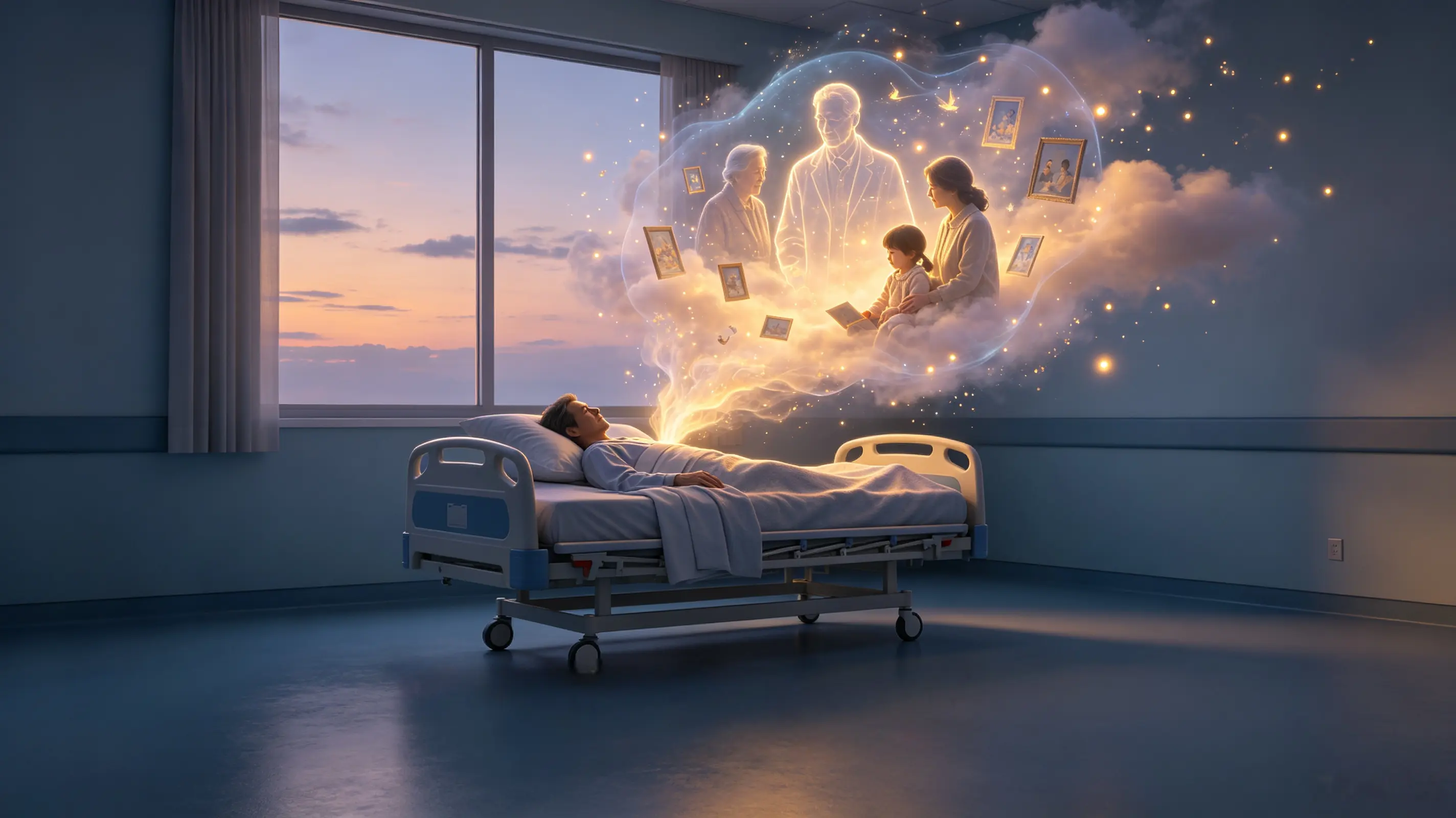
In the final days and hours of life, most terminally ill people experience vivid, deeply comforting dreams and visions that help them come to terms with dying. A landmark Italian study surveyed hundreds of palliative care workers to map out exactly what these end-of-life dreams look like, and why they matter so much for those nearing death.
For decades, medical staff working in hospices and palliative care wards have quietly observed the same phenomenon over and over again: As patients slip closer to death, they begin recounting intricate, peaceful dreams and waking visions that almost never align with the fear and chaos people usually associate with dying. For a long time, these accounts were brushed off as medication-induced delirium, confused brain activity, or meaningless hallucinations. But two major research projects—one led by American end-of-life care physician Christopher Kerr, and another large-scale survey conducted by Italian psychologist Elisa Rabitti and her research team—have proven these experiences are consistent, purposeful psychological events, not random neurological noise.
Rabitti’s study, published in the academic journal Death Studies, set out to document firsthand observations from the people who witness these dreams every single day: nurses, doctors, psychologists, social workers, and volunteer caregivers across Italy who spend their professional lives supporting terminally ill patients. Her team interviewed 239 palliative care professionals in total, asking them to detail all the dreams, visions, and spiritual encounters their patients had described in their final weeks and days alive.
The results showed that more than 8 out of 10 caregivers had regularly witnessed their patients having clear, emotionally nurturing end-of-life dreams and visions (often shortened to ELDVs in research). These experiences followed three core recurring themes across nearly all cultures, ages, and personal belief systems.
The most common category, making up roughly 75% of all reported visions, was joyful reunions with deceased loved ones. Patients most frequently dreamed of parents, partners, children, siblings, and beloved pets who had passed away years earlier. In these dreams, the departed people always appeared healthy, young, and calm; they did not look sick, elderly, or distressed. The loved ones would greet the dying person gently, invite them to come along, and reassure them that there was nothing to fear about what lay ahead.
Crucially, patients almost never dreamed of people who had hurt them, abused them, or left unresolved trauma during their lifetimes. The subconscious mind carefully selects only loving, nurturing relationships to revisit at the very end, acting as a natural form of emotional closure for a lifetime of grief, regret, and unspoken goodbyes. Many patients would smile, talk softly, or reach out their hands while dreaming these reunions, visibly relieved and peaceful afterward.
The second most prevalent theme was symbolic journey imagery, seen in around 18% of all recorded experiences. Patients dreamed of walking down sunlit country roads, stepping through wide, glowing doorways, climbing gentle staircases, boarding trains or buses, or traveling toward a vast, bright landscape on the horizon. These journey symbols universally represented the transition from earthly life to whatever comes after death. They stripped away the terror of the unknown and framed dying as a gentle, intentional trip rather than a frightening end. Some patients would pack imaginary suitcases, talk about “going home,” or prepare for a long voyage in their final hours.
Only a tiny fraction—less than 7% of all documented dreams—contained frightening, upsetting, or chaotic content. These distressing episodes were almost always linked to untreated physical pain, extreme medication side effects, severe untreated anxiety, or patients who carried overwhelming unresolved trauma they had never processed in life. Once pain and anxiety were managed properly via palliative care, even these troubling dreams faded away and were replaced by peaceful ones.
Rabitti’s team also confirmed a key distinction highlighted in Dr. Christopher Kerr’s decades of research: End-of-life dreams are entirely separate from delirium. Delirium causes fragmented, terrifying, jumbled hallucinations that patients cannot remember clearly afterward, and it leaves them agitated and panicked. Peaceful final dreams are logically structured, emotionally cohesive, remembered vividly by patients even right up until their passing, and consistently calm and uplifting. Religious faith does not determine whether someone has these visions; atheists, agnostics, devout followers of all religions, and people with no spiritual beliefs experience them at identical rates.
What makes these dreams so vital for dying people is their profound healing power. Over the course of these final visions, patients slowly let go of regret, guilt, sorrow, and fear of death. They reconcile with their life story, accept the end of their time on Earth, and pass away with serenity instead of terror. Caregivers interviewed in the study explained that simply listening patiently when patients shared their dreams drastically reduced their suffering and existential distress. Dismissing their experiences as confusion only amplified fear and loneliness in their last moments.
The Italian research, paired with Kerr’s body of work, has shifted global palliative care practices entirely. Today, hospice staff worldwide are trained to validate, listen to, and honor patients’ end-of-life dreams, rather than writing them off as brain malfunction. These final dreams are not just random images conjured by a fading brain—they are the human mind’s final, compassionate gift to itself: a gentle, guided goodbye to life.
人离世前夕,你会做怎样的梦
作者:阿什利・菲克
生命最后的数日乃至数小时里,绝大多数绝症患者都会体验到鲜活、极具安抚力量的梦境与幻象,这些体验会帮助人们坦然接纳死亡。意大利一项里程碑式调研走访了数百位姑息治疗从业者,完整梳理了临终梦境的具体样貌,以及它对濒死者不可或缺的意义。
数十年来,安宁疗护病房的医护人员反复见证着同一个现象:当患者一步步走向生命终点,他们会不断讲述细节饱满、氛围平和的梦境与清醒幻象,和大众印象里死亡裹挟的恐惧、混乱截然不同。长久以来,这类叙述都被简单归因为药物引发的谵妄、大脑紊乱、无意义幻觉。但两项重磅研究彻底推翻了这一认知:一项是美国临终关怀医师克里斯托弗・克尔的长期研究,另一项就是意大利心理学家埃莉萨・拉比蒂团队开展的大规模调研。两项研究共同证实:临终梦境是具备内在逻辑、承担心理疗愈作用的真实心理活动,绝非大脑衰败产生的随机神经错乱。
拉比蒂的研究刊发于学术期刊《死亡研究》,研究初衷是收集一线从业者的亲身观察记录:调研对象涵盖意大利全境的护士、医师、心理师、社工、临终关怀志愿者,这群人日复一日陪伴绝症患者走完最后旅程。团队总计访谈 239 名姑息治疗从业者,请他们细致描述患者生命最后几周、最后一天诉说过的所有梦境、幻象与心灵体验。
调研结果显示:超八成护理人员都频繁目睹患者产生治愈性的临终梦境(学界简称 ELDVs,生命末期梦境体验)。无论年龄、文化背景、有无宗教信仰,这些体验都高度趋同,主要分为三大主题。
第一大类最为普遍,约占所有梦境记录的 75%:与逝去挚爱温馨重逢。患者最常梦见早已离世的父母、伴侣、子女、兄弟姐妹,还有陪伴自己长大的宠物。梦境里逝去的亲人永远健康、面容年轻、神态平和,毫无病痛衰老的憔悴模样;他们会温柔迎接濒死者,邀请对方同行,反复宽慰逝者不必畏惧前路。
一个关键细节:人们几乎不会梦见此生伤害过自己、给自己留下心理创伤的人。潜意识会在生命最后时刻,只挑选一生之中给予自己爱意与温暖的关系重温,完成积攒一辈子的遗憾、愧疚与不舍,实现情感圆满收尾。很多患者梦见重逢时会面带微笑、轻声呢喃、伸手触碰幻象中的亲人,梦醒之后整个人都会舒展下来,内心满是安宁。
第二大类是旅途象征意象,占全部记录的 18% 左右。患者常会梦见:走在洒满阳光的乡间小路、穿过明亮敞开的大门、缓步登上平缓台阶、搭乘火车巴士,或是朝着远方一片辽阔光亮的景致前行。这些旅途意象统一象征着:尘世生命走向终结、去往另一个维度的过渡。梦境消解了人们对未知死亡的恐惧,将离世塑造成一场温柔的奔赴,而非令人恐慌的落幕。不少患者临终前会假装收拾行李箱,念叨着 “要回家了”,筹备这场漫长的远行。
仅有不到 7% 的临终梦境充斥着恐惧、不安与混乱。这类负面体验几乎都源于未被缓解的躯体剧痛、药物强烈副作用,或是当事人一生都未曾疏导的深重心理创伤。只要医护人员通过姑息治疗妥善止痛、舒缓焦虑,噩梦就会慢慢消散,取而代之的依旧是平和治愈的梦境。
拉比蒂团队的研究,也印证了克尔数十年研究得出的核心结论:临终梦境和谵妄有着本质区别。谵妄带来碎片化、惊悚混乱的画面,患者事后无法清晰回忆全程,只会陷入焦躁恐慌;而平和的临终梦境逻辑完整、情绪连贯,即便走到生命最后一刻,患者也能清晰记住所有细节,全程内心安稳。宗教信仰不会影响临终梦境的产生:无神论者、不可知论者、各类宗教信徒,产生这类体验的概率完全一致。
临终梦境之所以珍贵,核心在于它强大的心理疗愈力量。在一次次终末幻象里,人们慢慢放下愧疚、悲伤、对死亡的恐惧,与自己完整的一生和解,最终安详离世,而非被恐惧裹挟。参与调研的护理人员均表示:耐心倾听患者讲述梦境,能极大消解他们的痛苦与存在性焦虑;倘若将他们的诉说视作神志不清的胡话,只会加重孤独与惶恐。
这项意大利调研,结合克尔多年的学术成果,彻底革新了全球安宁疗护体系的照护理念。如今全世界的临终关怀机构都会引导医护人员接纳、聆听、尊重患者的临终梦境,不再将其判定为大脑病变。这些最后的梦境,从来不是衰败大脑凭空拼凑的碎片画面,而是人类潜意识赠予自身最后的温柔礼物:一场从容、圆满的生命告别。